A successful approach to human rights and media is about far more than press releases or reacting to breaking news. I have written media strategies for countless reports, international campaigns, and social media channels. I also have extensive experiencing researching both human rights and media trends, analysing media metrics and other data sets, and conducting interviews with survivors, experts, and activists for both my own work and to help inform the research plans of others in the field.
Clooney Foundation for Justice
Digital Media Strategy
CFJ was a relatively young organisation when I joined it as the Head of Digital Media and so I had the opportunity to build a digital media strategy from the ground up, making sure that everything we did was geared towards creating impact. During my time at CFJ I:
- Overhauled CFJ’s website, including re-writing and re-framing content and leading the redesign with backend developers.
- Wrote and implemented CFJ’s digital strategy, including launching social media accounts, achieving major audience growth and tangible human rights impact.
- Wrote manuals and ran media trainings for all staff, including on how to speak to the media, how to write opeds, and how to spot strategic media opportunities.
- Researched and wrote risk assessments for field assignments.
- Contributed to the development of CFJ’s digital security handbook.

Human Rights Watch
Media Monitoring and Analysis

During my time at HRW I created and implemented an organisational-wide media monitoring system which meant that we were able to analyse where we were being covered and, importantly, where coverage was lacking and any gaps we needed to fill.
This was far more than a quantitative, box-ticking exercise of getting a specific number of media hits, and focused instead on qualitative questions such as the nature of the coverage, if it was in one of our key advocacy countries or states. and if we felt it would help reach our target audience for the report.
I also developed trainings which showed people that sometimes, getting a few pieces of coverage in a specific country can be more effective impact-wise then getting hundreds of stories in unrelated regions.
UN Free & Equal
National Campaigns
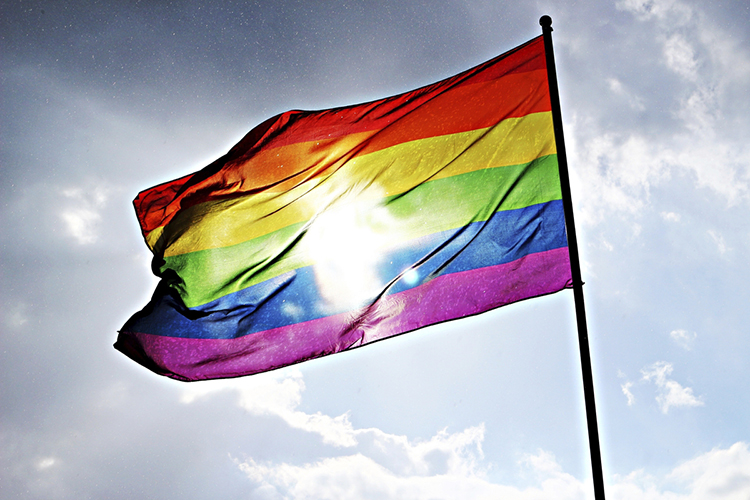
UN Free & Equal runs national-level campaigns aorund the world. The countries where these campaigns are based are all at different levels of support for, and understanding of, LGBTIQ+ equality. Some still penalise same-sex relationships under the law, whereas others are trying to move from tacit acceptance to active support from the general public.
This meant that media strategies needed to be carefully tailored to the specific country, and during my time at UNFE I advised seven separate campaigns in a variety of legal, cultural, and economic settings.
Over the years, I have run media strategies for countless reports, and have proven track record of creating impact through carefully crafted media advocacy. Below are just two examples of reports that took very different approaches.
Human Rights Watch
Japan: Compelled Sterilization of Transgender People

In October 2023, the Supreme Court of Japan unanimously voted that the country’s law requiring trans people be sterilised to be legally recognised was unconstitutional. The work to get to that point was years in the making, and included a robust and extensive media strategy, not only for the report launch itself but also to ensure the issue remained at the forefront of advocacy and media coverage in Japan.
At the very start of this campaign, I took the lead in developing and implementing the media strategy and writing several key pieces that served as the public-facing part of the advocacy work. These included:
- Interview: The Invisible Struggle of Japan’s Transgender Population
- Japan: Compelled Sterilization of Transgender People
- Interview: Sports, Equality, and the Power of the Olympics
- Pitch notes to journalists and advocates
- A new strategy and social media response when our embargo was broken
Clooney Foundation for Justice
Looted Antiquities
Funds generated from the illicit antiquities trade are used by armed groups to purchase weapons, recruit fighters, and support violent activities that include international crimes and terrorism. This report covered complicated trade routes, tricky international laws, and major human rights abuses.
As the issues were so complex, I spent several hours on framing, talking to media to ensure they had accurate information and undersood everything, and unpacking the key issues. I also trained the team of lawyers on how to answer complicated questions in simple ways.
The main element of the strategy in this case was a press conference in DC, which yielded multiple news pieces, including in Middle East Eye and on NPR, both outlets that would reach key audiences and advocacy targets in the Middle East and North America.
This strategy in particular required a lot of research and lateral thinking about the approach we should take and the media targets we identified.

Personal Research
University of London
Impact of Dobbs on Press Freedom in the United States

While completing my M.A. in Human Rights from the University of London, I conducted extensive research into the impact of Dobbs on press freedom in the United States.
As well as a comparative analysis of coverage of abortion in two state newspapers – one in a state where abortion was made illegal, and one where it remained a protected right – I carried out interviews with 12 journalists in different states working under different laws, assessed their overall concerns about safety and security for themselves and their sources, and asked them about changes to their reporting since the repeal of Roe V Wade.
My final work received a distinction, and strong praise for the strength of the research and methodology.
