There are many different ways to tell a story – interviews, features, op-eds and profiles all have their place when it comes to human rights media strategies. The key is always to consider how you are trying to reach and what you are trying to tell them. Below are some select examples of my writing,
UN Free & Equal
The Fight to End Racism Must Involve All of Us

A simple cup of tea steams in Bev Ditsie’s mind. It is symbol of the start of a movement, of being surrounded by people who understood her and her fight for equality – as a Black South African, as a woman, and as a lesbian.
It was at the first meeting of GLOW (The Gay and Lesbian Organization of Witwatersrand) in 1989 apartheid South Africa, when white people made tea for their Black peers, gay and lesbian people sat side by side with straight compatriots. In that moment, everyone in the room was prepared to stand up for everyone’s struggle, not just their own.
“The experience itself was quite visceral,” said Ditsie. “On the one hand, it makes you feel like you’re special because you’re one of very few Black people that know what it is to have a white person make you a cup of tea. But at the same time, you know, I just wished. Can we? Can we all live like this?”
For the full story, click here.
Thomson Reuters Foundation
OPINION: LGBT+ Rights in Poland Are at a Tipping Point
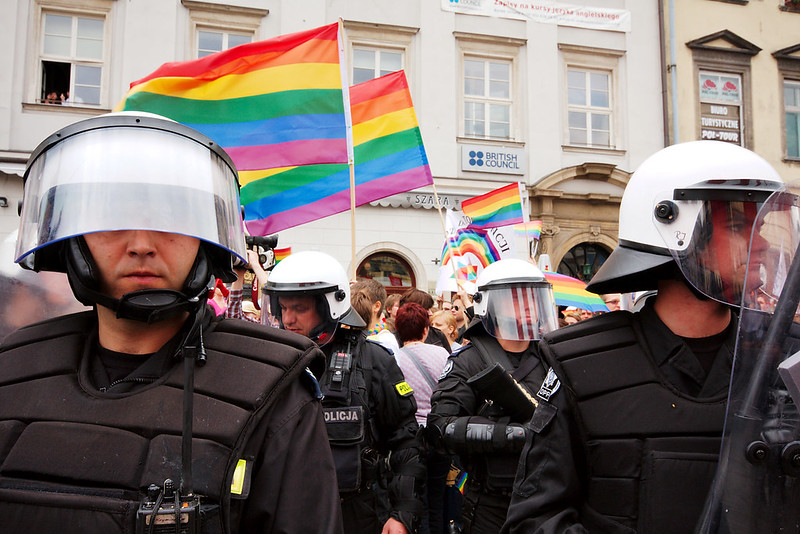
Three LGBT+ activists who displayed posters of the Virgin Mary with a rainbow halo in Poland are still dealing with the excessive fallout that came from their trial for “offending religious feelings”. The case was roundly condemned as a vehicle for anti-LGBT+ sentiment, with private prosecutors comparing the rainbow flag to a swastika and referencing the “homolobby”.
In April 2019, Elżbieta Podleśna, Anna Prus, and Joanna Gzyra-Iskandar Podleśna put up the posters in response to an Easter display at a church in Płock – 110km northwest of Warsaw – which listed “sins” including “LGBT” and “gender.”
This seemingly small act of solidarity led to a years-long tale of arrest, trial, protests, acquittal, and now a return to court on November 10 after an appeal by prosecutors.
For the full story, click here.
(Photo credit: Christopher Walker, via Flickr)
Human Rights Watch
Interview: Cut Down on the Cusp of Glory

After training for hours on end, year after year, some women athletes – particularly those competing on the world stage – are getting their careers and successes ripped away because of “sex testing,” practices, which are invasive and medically unnecessary procedures based on disputed science that dictates what “natural” testosterone levels can be for women, and the role it plays in performance.
Women from the global south are disproportionately targeted. Sporting officials demand that these women undergo irreversible sterilization surgeries or hormone therapies to have a chance at competing again. Philippa Stewart spoke to Dr. Payoshni Mitra, who has worked for years with affected athletes, about a new Human Rights Watch report, “‘They’re Chasing Us Away from Sport’” and why these tests have to end.
For the full story, click here.
Al Jazeera
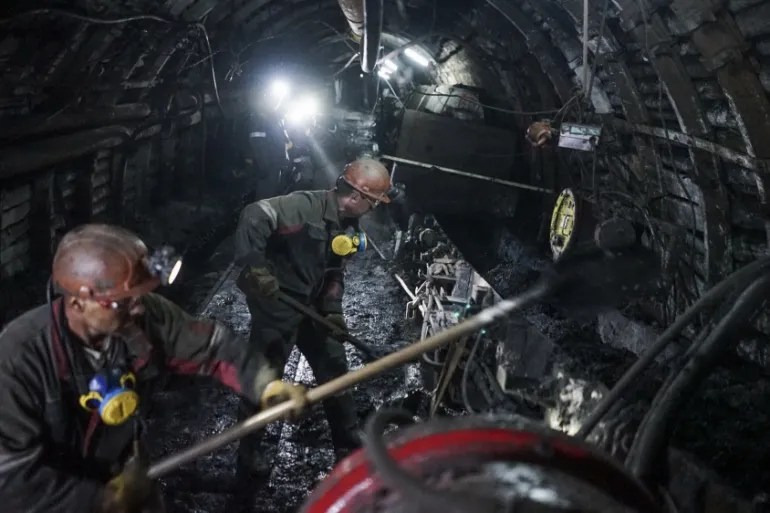
Russia’s Coal War with Ukraine Leaves Civilians Cold
Nadiya Klymenko, a pensioner from Vinnytsia Oblast, told Al Jazeera that the coal shortage meant they would have to rely on gas for heat, and the prices meant they would only turn on the gas heaters as a last resort.
“Our town is located near a big railway station, so people who live around here almost all work for the railway and were, for a long time, given an allowance of coal. But now, they bring less of it, and it is expensive, too,” Klymenko said.
“I want the war to be over. We’ve had enough of that on our land, so I’ll do whatever is needed. I don’t care about the coal. I’ll live on bread and water if I have to, and just sit by the candle.”
For the full story, click here,
Al Jazeera
Photo Essay: Shearing a Profit Off Mongolia’s Goats
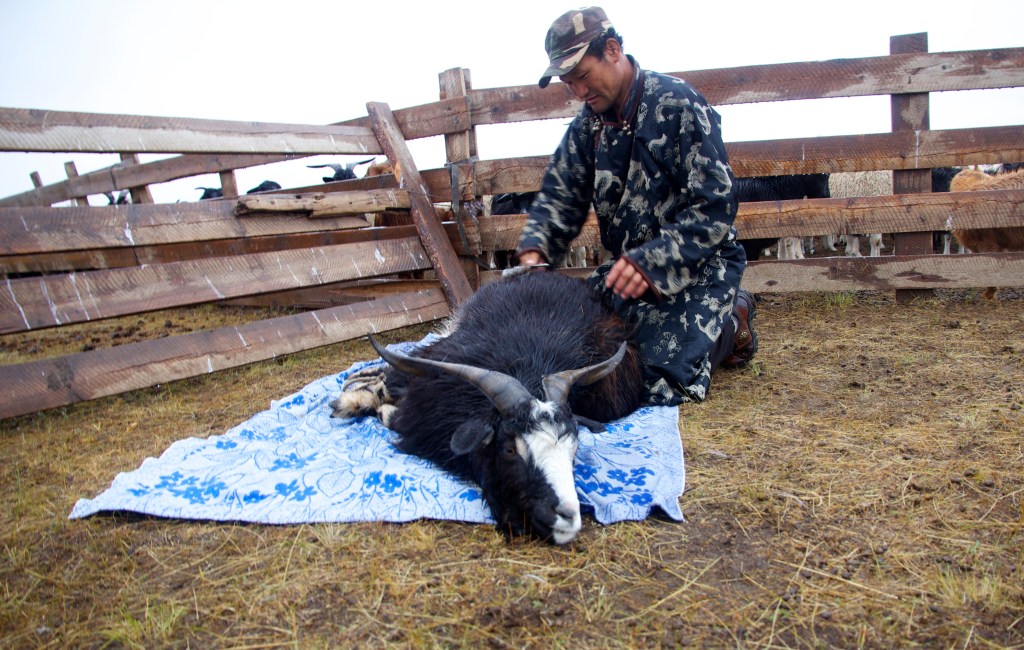
The cashmere industry is Mongolia’s second-highest money earner when it comes to exports.
The much sought-after clothes made from the soft, warm wool are considered luxury items by much of the world, and pure cashmere pieces can be sold for thousands of dollars.
The industry is not without its downside, with a rapid increase in the numbers of goats being herded – up almost 300 percent since the 1990s – there is an added strain on Mongolia’s land, already struggling because of climate change and unchecked mining.
For many herders, however, it is one of the few regular sources of income they can rely on to see them through the winter.
For the full story, click here.
Human Rights Watch
Essay: The Kids Are All Right, but the Planet Isn’t
Looking down at his shoes, his hair falling across his eyes, 11-year-old Axel had just finished explaining why he didn’t want his favorite animals to go extinct.
“Do you think if adults don’t address climate change it will affect your human rights?” I asked him.
“Well, if a right is to live then, yeah.”
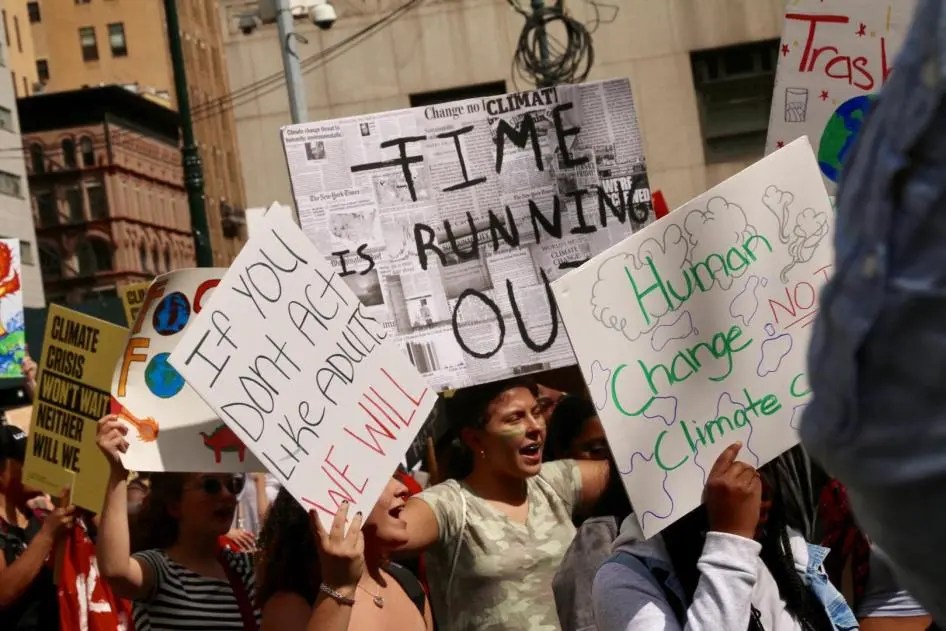
We met Axel, and dozens more like him, at a recent Climate Strike march in New York City.
“The oceans are rising and so are we!” yelled a group of teenage girls, the chant rippling through the gathering crowds.
For the full story, click here,